Description
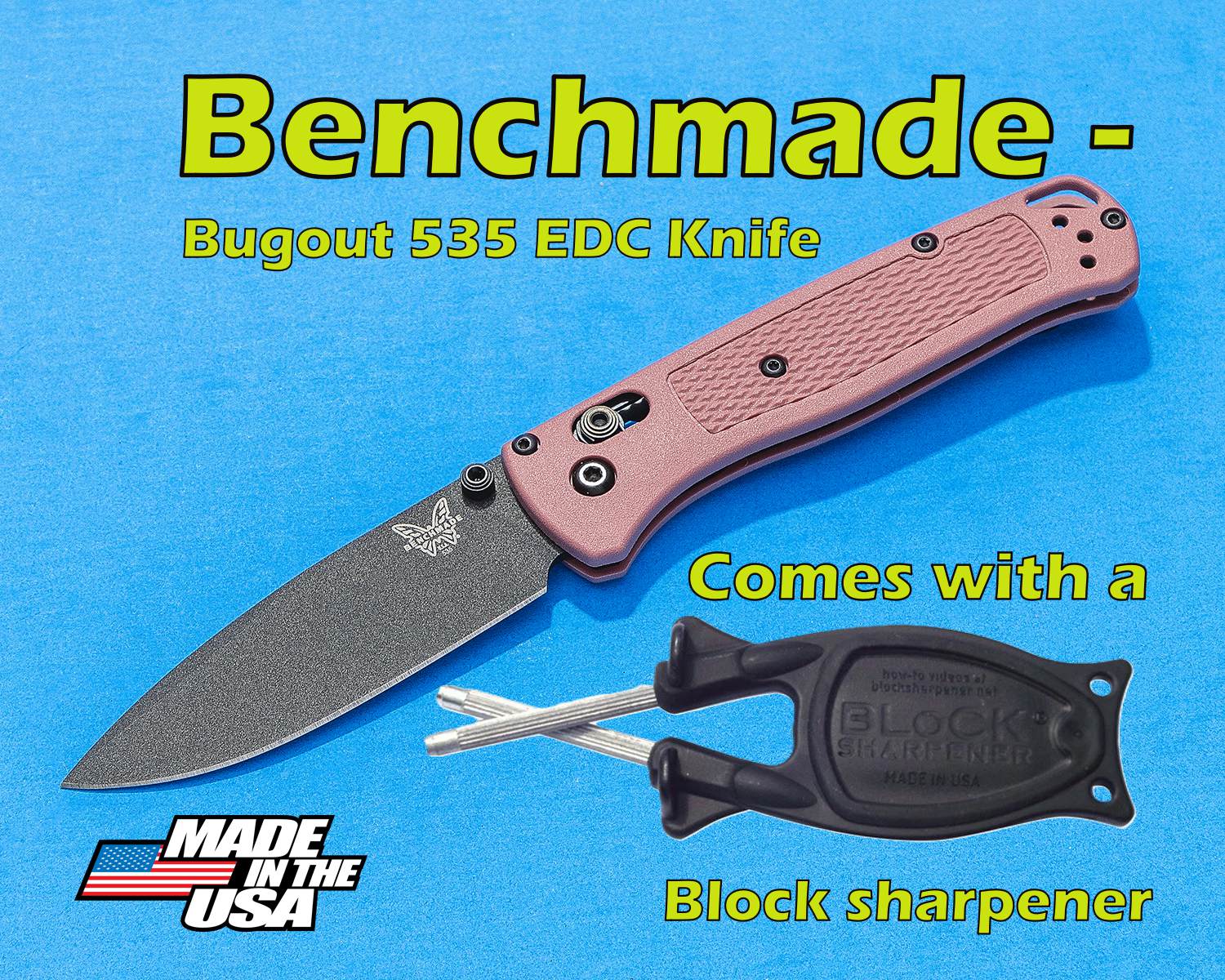
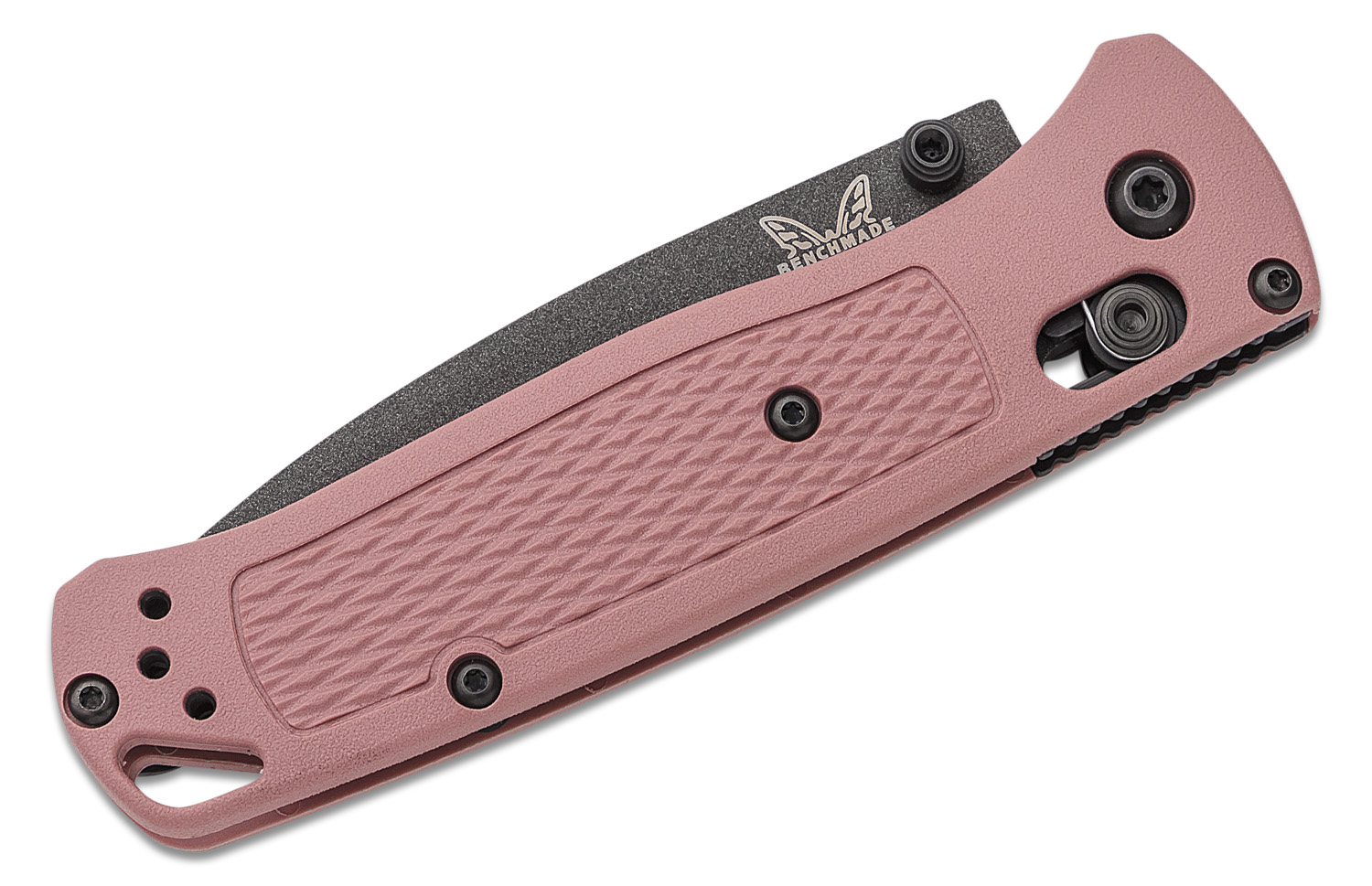
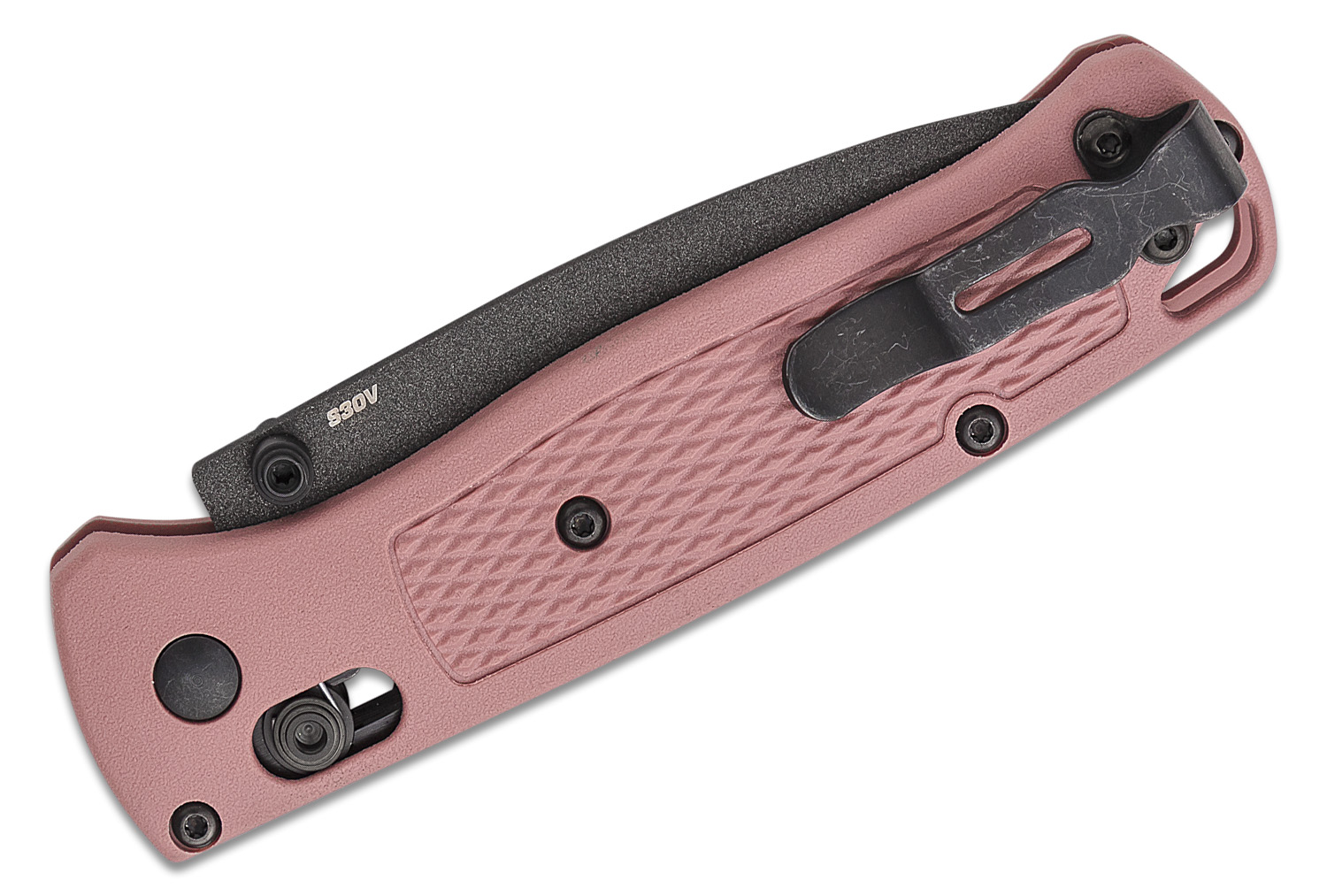
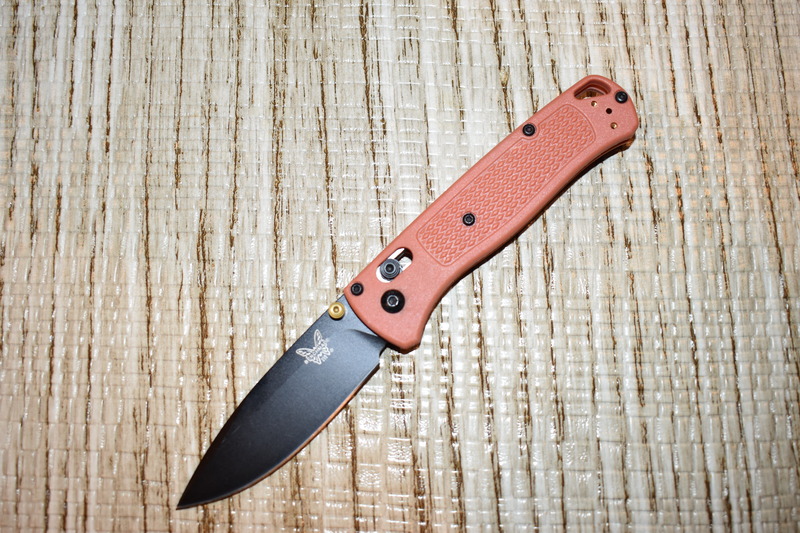
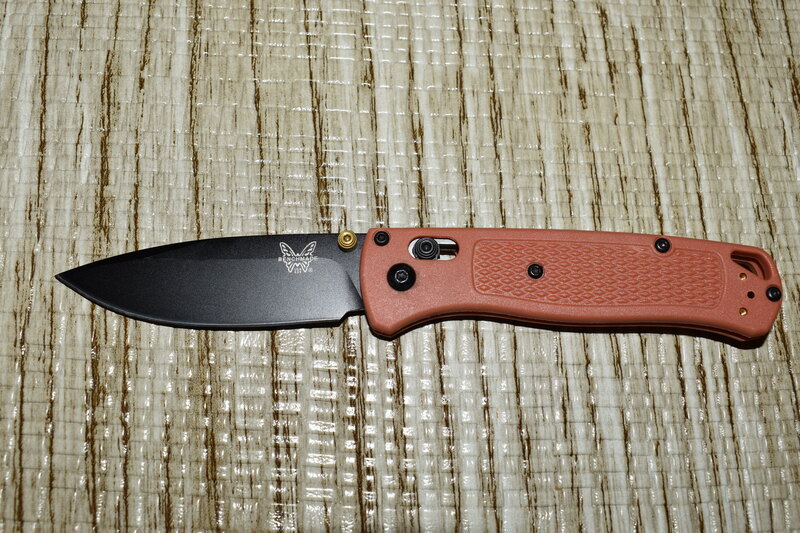
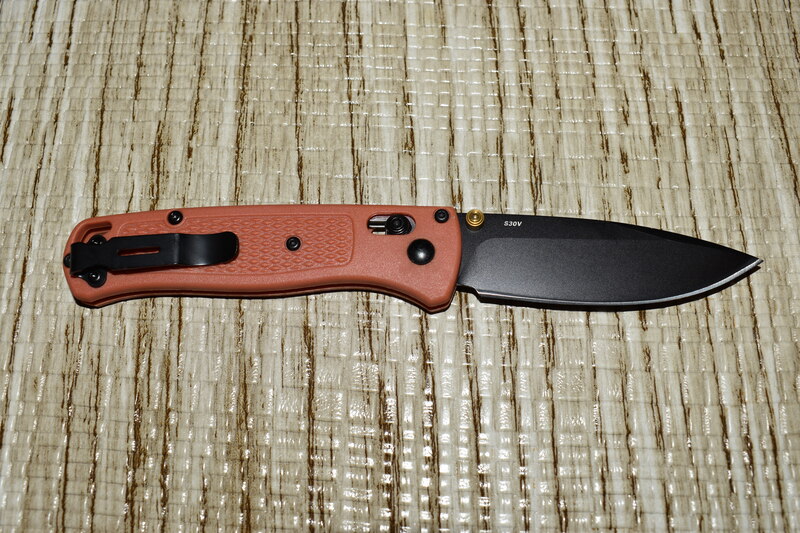
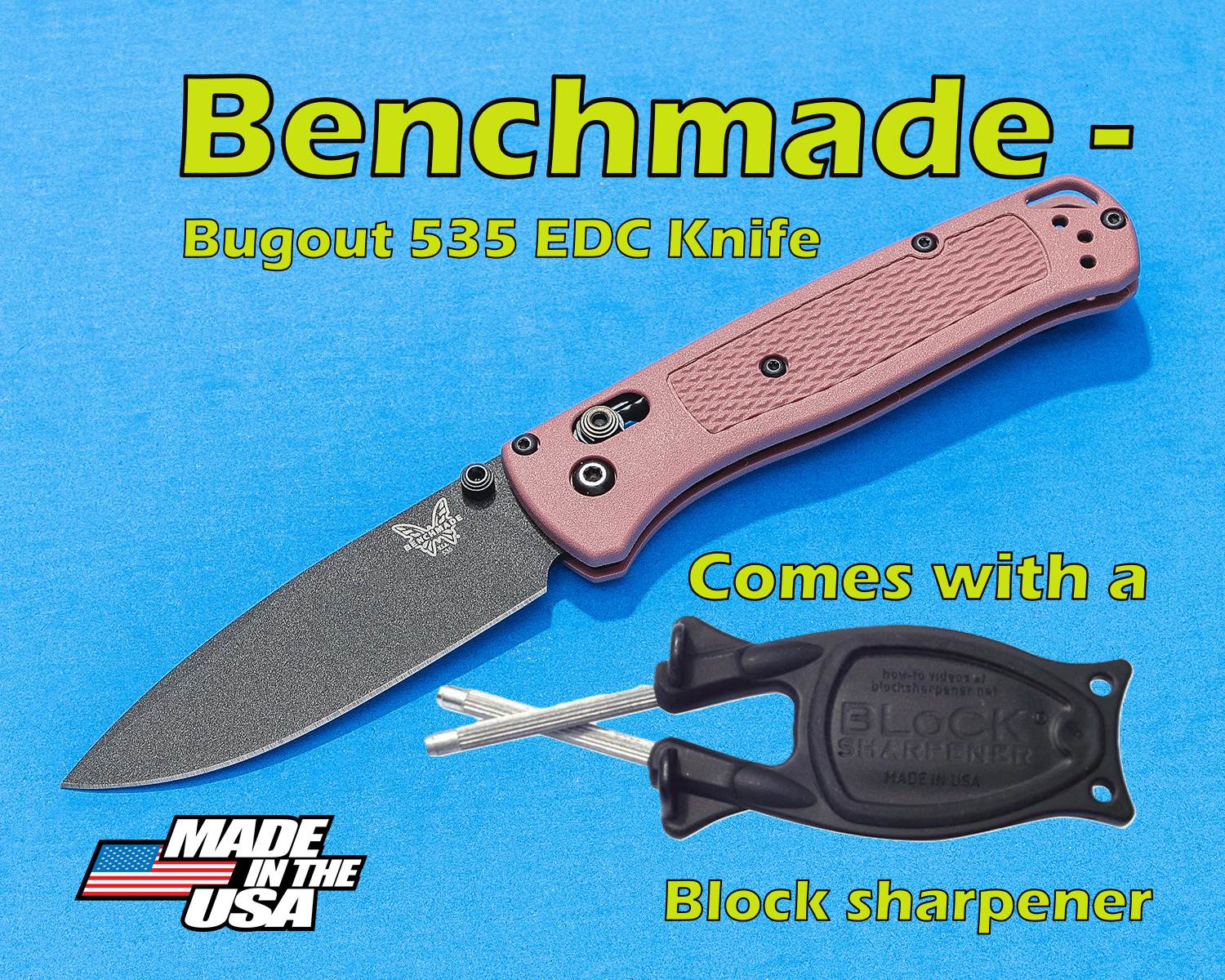
MODIFIED Benchmade Mini Bugout pink 533BK-1 Knife – Black Blade – KP-533BK1-4
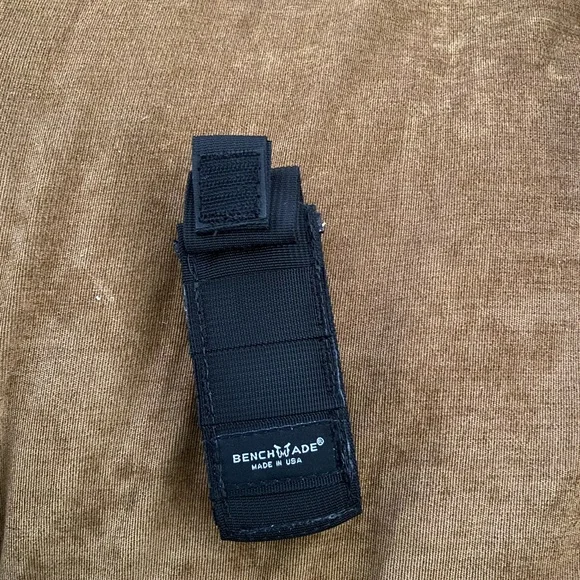
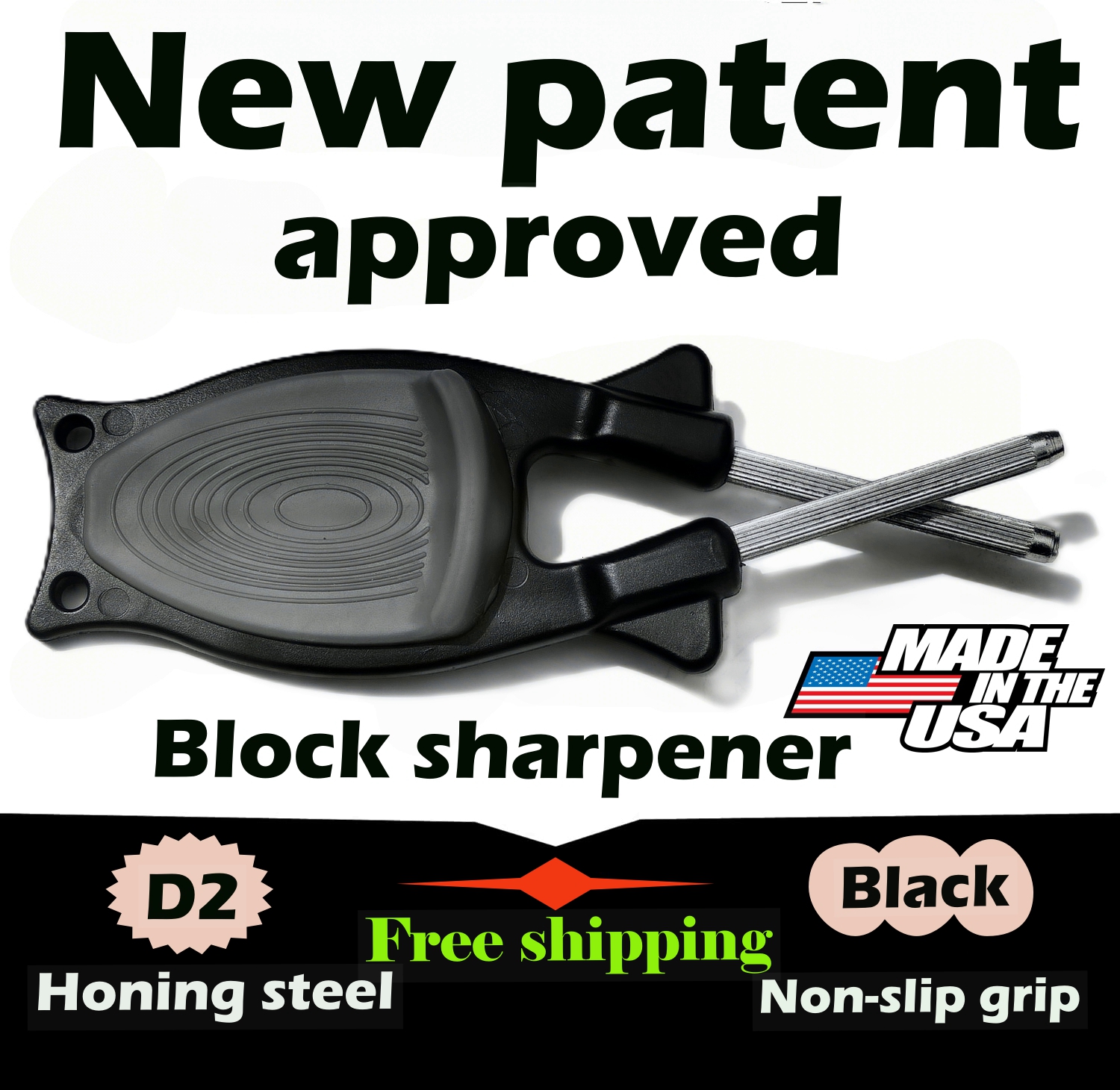
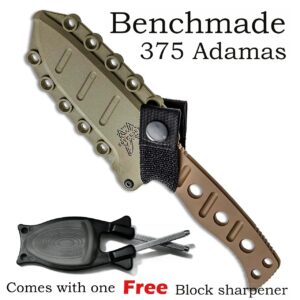
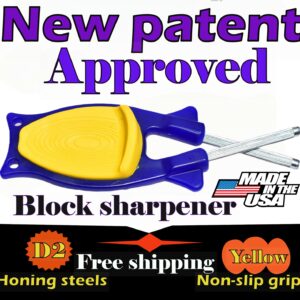
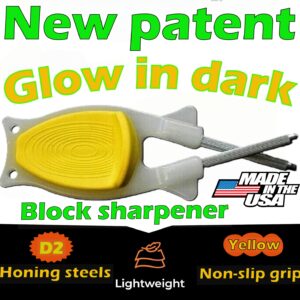
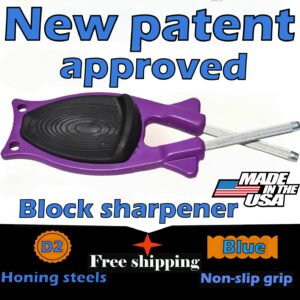
Benchmade – pink Bugout comes with a Block sharpener
These knives have been modified by the Knives Plus Team. We take great care in our modifying process to guarantee that they function as intended. Please note that occasionally, modifications can void the manufacturer warranty.
The MODIFIED 533BK-1 Benchmade Mini Bugout Orange is a scaled down version of the fiendishly popular Bugout EDC that features a 2.82-inch drop point blade made of CPM S30V stainless steel, .09 inch thick, with a Rockwell hardness of 58-60. The blade has a non-reflective black finish, a top swedge to lessen weight and dual thumb studs for ambidextrous one hand opening. The slim white Grivory handle has been replaced with the orange scales from the Mini Bugout Satin, 3.70 inches closed, has checkered texturing for secure grip, sturdy AXIS Lock, a lanyard hole and a side-to-side reversible deep carry mini clip mounted at the butt end. The Benchmade Mini Bugout has an overall open length of 6.49 inches, and it weighs 1.5 ounces. Proudly made in the USA.
From the Benchmade website: The result of overwhelming feedback, the Bugout has been scaled down in the form of the new 533 Mini Bugout. Available in two different colorways, the Mini Bugout maintains the same material configuration as its full-sized counterparts in a 1.5 oz package. With a closed length of 3.7″, this ultralight folder is small enough for a mint tin, yet big enough for adventure.
MODELMini Bugout
Why Benchmade Knives Need Special Care
Benchmade makes many types of knives. Some have smooth edges, and others have serrated edges that look like little saws. Some have special coatings on the blade to prevent rust or to look cool. Using a giant grinding wheel or a cheap pull-through sharpener can remove too much metal. It can also leave ugly scratches on the side of the blade. To keep a Benchmade looking new, a sharpener that only touches the very edge of the blade is necessary.
The Secret to a Perfect Edge
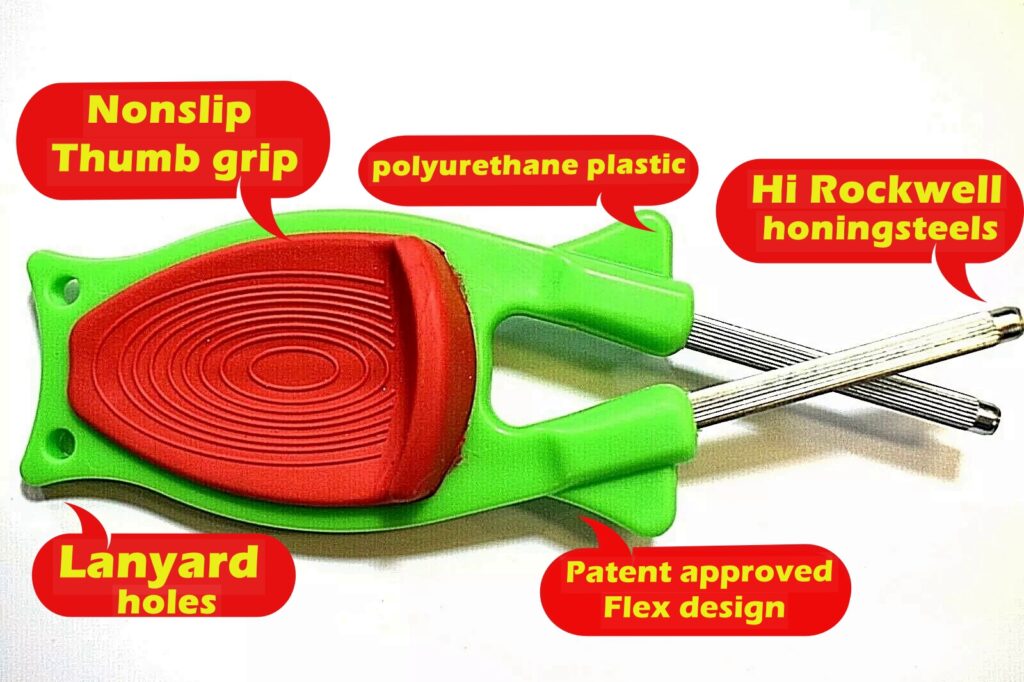
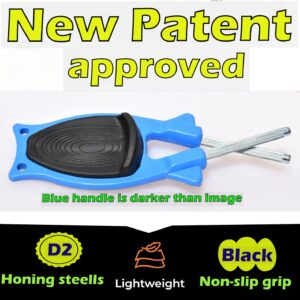
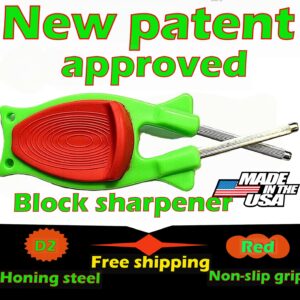
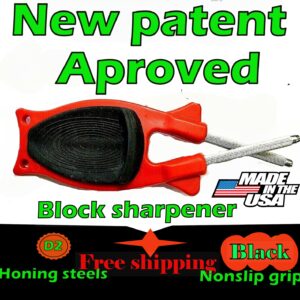
The secret to sharpening is using a material that is harder than the knife itself. A Block sharpener uses heat-treated D2 steel. This steel is very tough. In fact, these honing rods are much harder than any factory-made knife. When the knife slides against the D2 steel, the sharpener realigns the edge. This process makes the knife sharp again without grinding away the whole blade. It creates a smooth finish without leaving nicks or burrs.
Steps to Sharpen a Smooth Benchmade Blade
Sharpening a smooth blade is simple when following these steps:
- Hold the sharpener steady: Place the sharpener on a flat table or counter.
- Position the knife: Put the heel of the knife (the part near the handle) at the top of the sharpening rods.
- Use light pressure: There is no need to press hard. Let the hardness of the D2 steel do the work.
- Pull downward: Draw the knife down and back toward the body.
- Repeat on both sides: Make sure to sharpen both sides of the blade so the edge stays centered.
- Check the sharpness: Test the knife on a piece of paper to see if it cuts easily.
How to Handle Serrated Edges
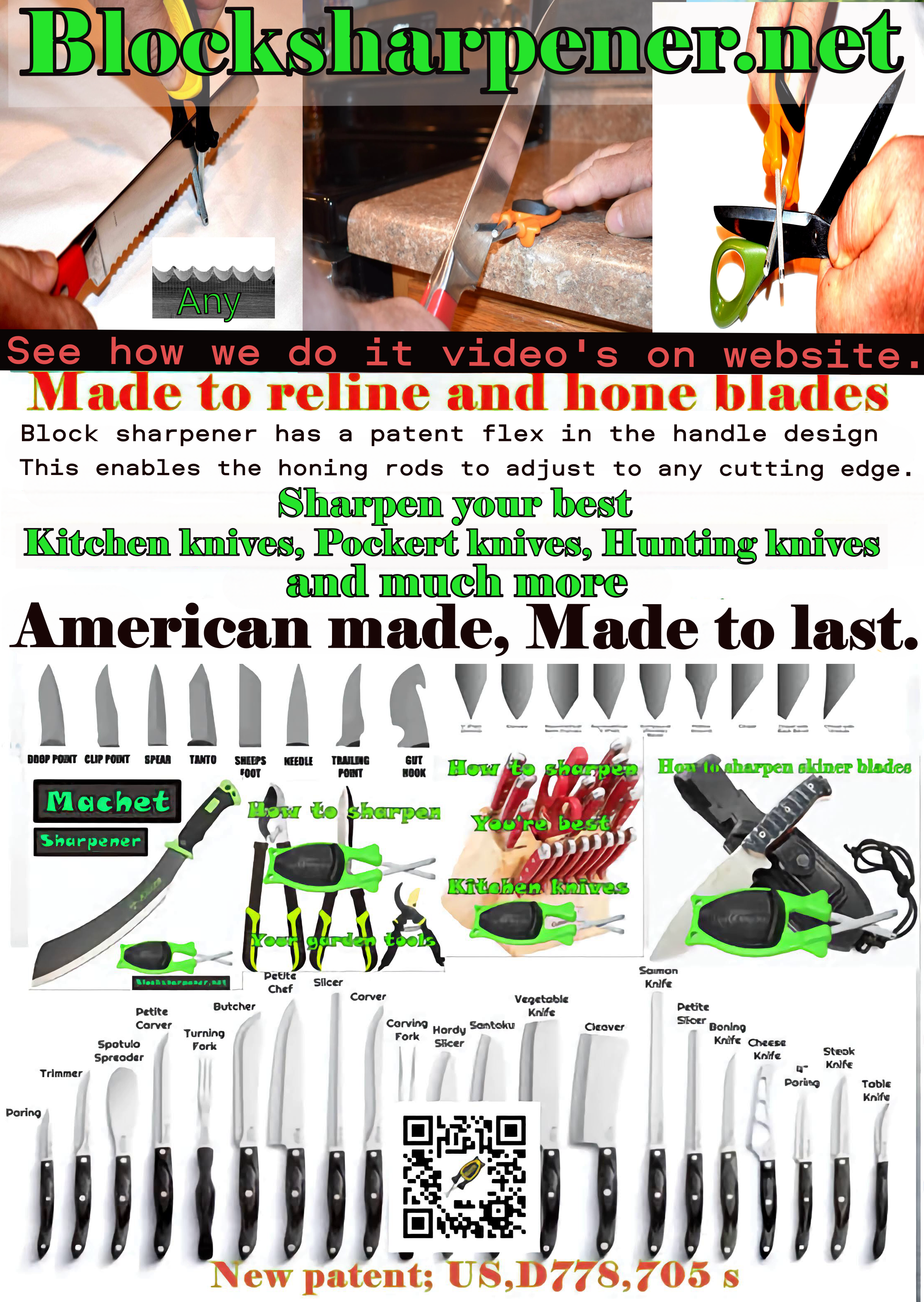
Many Benchmade knives have serrations. These are the “teeth” on the blade. Most sharpeners cannot touch these teeth properly. However, the design of a Block sharpener allows it to reach into those small grooves.
To sharpen a serrated Benchmade:
- Align the serrated part of the blade through the middle of the sharpener.
- Push the knife blade through and move it back and forth like a saw.
- The rods will fit into the curves of the serrations to hone each tooth.
- This removes the dullness without flattening the teeth.
Protecting the Finish of the Knife
The “finish” is the paint or coating on the metal. To keep this finish perfect, only the very tip of the edge should touch the sharpener. Because the rods on a Block sharpener are positioned at a specific angle, the sides of the knife stay safe. No metal shavings will fly up and scratch the logo or the coating on the Benchmade blade.
Why D2 Steel Matters
Not all sharpening rods are the same. Some are made of ceramic or soft steel. If the sharpener is softer than the knife, the knife will actually damage the sharpener. Because Benchmade uses 154cm
D2
N680
S30V steel, a tool with heat-treated D2 steel is the best choice to get them sharp. It is strong enough to sharpen the edge of a Benchmade over and over again for many years.
Keeping the Knife Sharp Longer
After sharpening, it is important to take care of the knife.
- Clean the blade: Wipe away any dust after sharpening.
- Avoid hard surfaces: Do not cut on glass or stone, as this dulls the edge instantly.
- Store it properly: Keep the knife in a sheath or a safe spot so the edge does not hit other metal tools.
- Hone often: Using the sharpener for just a few seconds once a week keeps the edge perfect, so it never gets truly “dull.”
Frequently Asked Questions
- Will sharpening leave scratches on the side of the blade?
No. If used correctly, the sharpening rods only touch the narrow edge of the blade. This keeps the rest of the knife finish looking brand new.
- Can this be used on Benchmade pocketknives and kitchen knives?
Yes. Any Benchmade knife, whether it is a small folding pocketknife or a large kitchen knife, can be sharpened using this method.
- What is a “burr,” and does this sharpener create them?
A burr is a tiny, rough piece of metal that sticks out like a wire after sharpening. A Block sharpener is designed to hone the edge smoothly, which helps prevent nicks and burrs from forming.
- How many times should the knife be pulled through the sharpener?
For a knife that is just a little dull, 5 to 10 pulls are usually enough. If the knife is very dull, it might take a few more.
- Is it hard to learn how to use the sharpener?
No. See website on the sharpener handle for how to videos. It is designed to be very simple. Even someone who has never sharpened a knife before can get a professional edge in just a minute.
Get the Best Tool for the Job
To keep every Benchmade knife in the collection in perfect condition, choose a tool that is built to last. The Block Sharpener is made in America and uses high-quality D2 steel to ensure every blade stays razor-sharp without any damage.


Reviews
There are no reviews yet.