
Gift ideas for outdoorsmen
Using your new Block knife sharpener correctly is key to maintaining the sharpness and longevity of your knives.

The Block family are the Original Manufacturers of these style Knife Sharpeners est.1969.

(adding more information or elaborating on the existing content).

When it comes to sharpening your knives and other cutting tools, it’s important to choose the right tool for the job. And while there are many lookalikes out there, nothing quite compares to the Block sharpener – also known as the Easy sharpener in early years. This patented sharpener is designed to do more than simply sharpen your blades – it’s built to realign and hone your knives back to their original cutting edges.

Not all sharpeners are created equal, and that’s especially true when it comes to block sharpeners. While other tools may claim to do the job, they simply can’t match the superior quality and performance of a genuine Block sharpener. So if you want to ensure that your knives are always at their best, don’t settle for imitations – choose the real deal and experience the difference for yourself!

You will find our sharpeners can take knives much sharper than brand new.

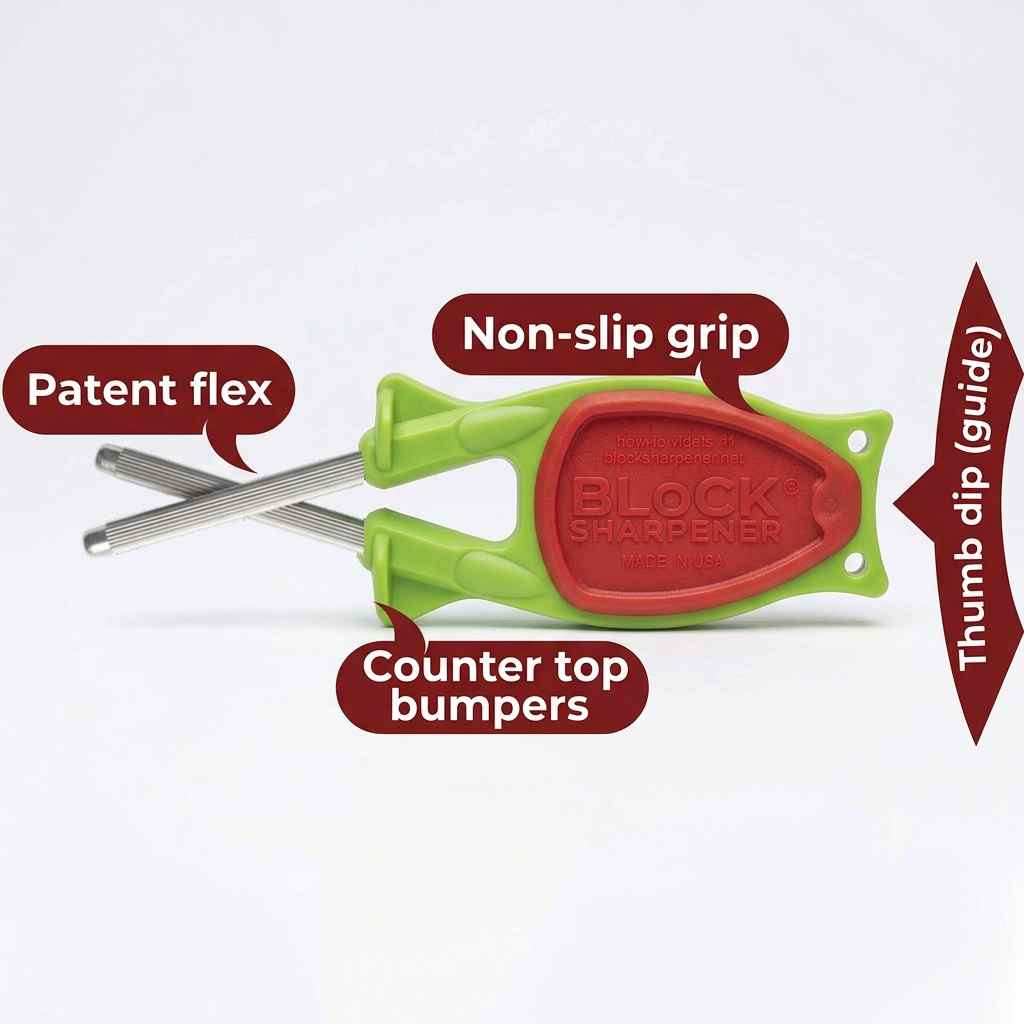
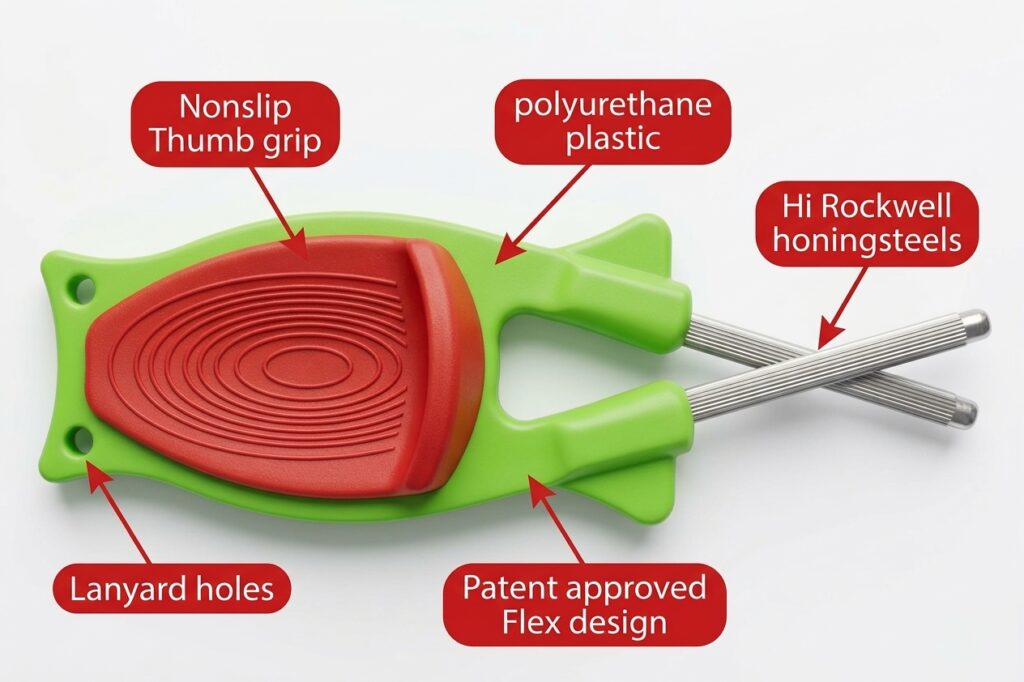
Blocks patent flex design in the handle design this enables the honing rods to adjust to many different types of cutting edges.

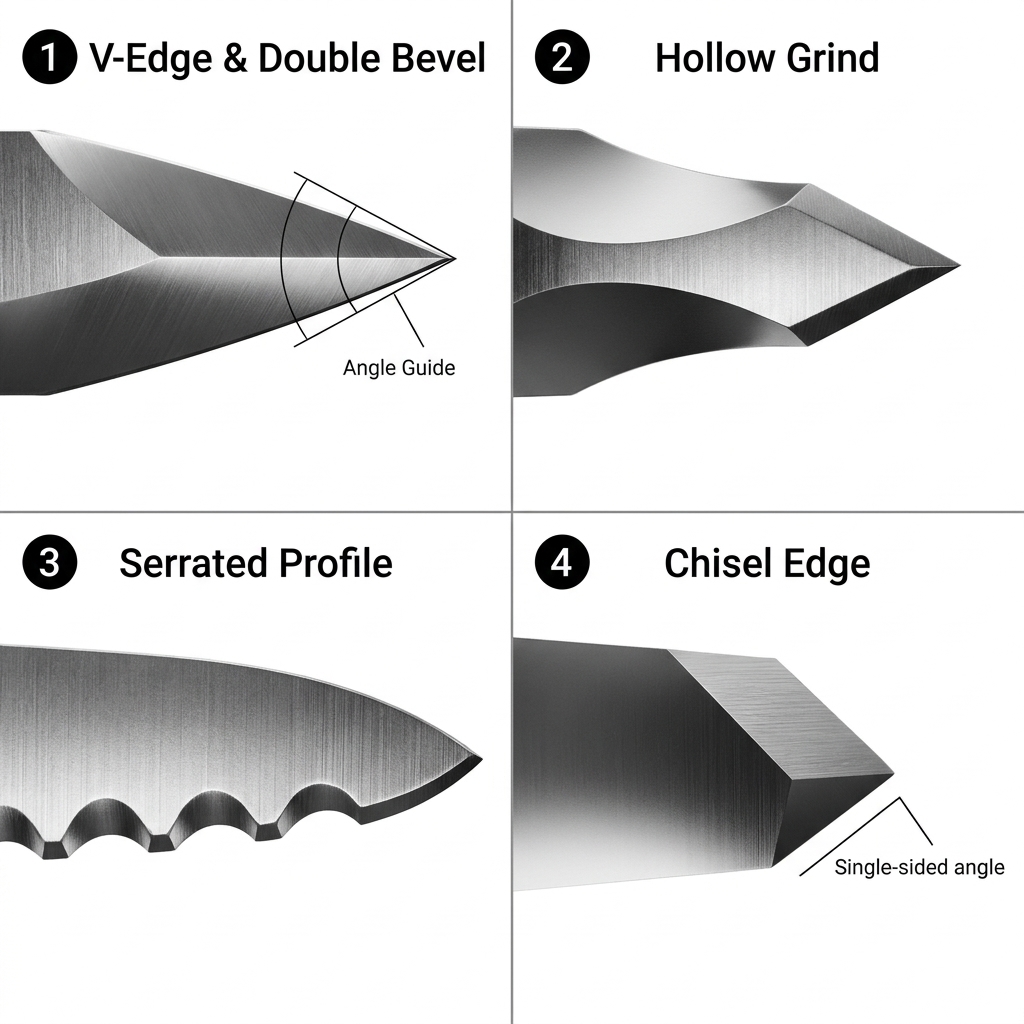
Knife Edge Styles you can sharpen.

  • V-edge the V-edge is the most common style for kitchen knives. …
  • Double bevel or Compound Edge A double beveled edge, also known as a compound edge, is essentially a double-layered V-edge. …
  • Chisel edge Chisel edges are most commonly found on Japanese sushi knives like Santokus and Nakiris. …
  • Convex edge …
  • Hollow edge …
  • Serrated edge …

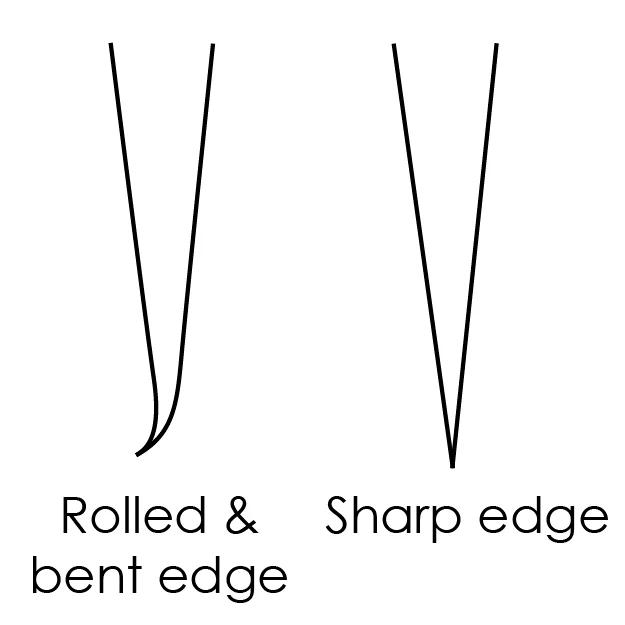
Every knife blade is ground uniquely to form a sharpened edge. Each side of the blade that has honed an edge is referred to as a bevel. If you look closely at the blade of your kitchen knives, you should notice a part at the very edge that angles more steeply–this is the bevel.

Kitchen knives are easily one of the most commonly used tools on the planet. They are simple yet used for a variety of culinary tasks on a daily basis. But the very cutting edge that we rely on — and the source of the knife’s power–is nearly invisible to the unaided eye, a reason why we seem to take these trusty instruments for granted.

Knives Angles
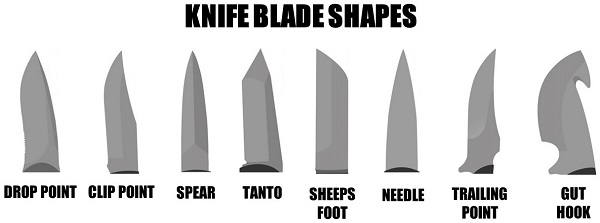
Knives Types
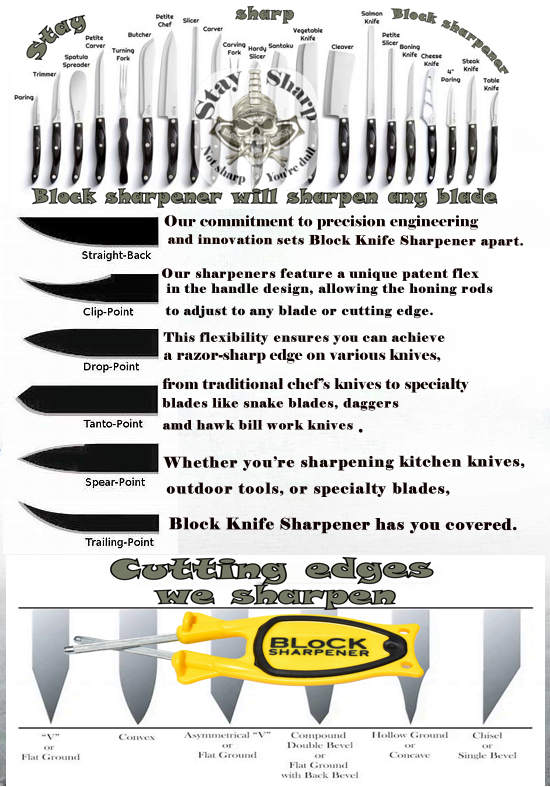
Block sharpener patent flex design can pick up on any cutting edge.

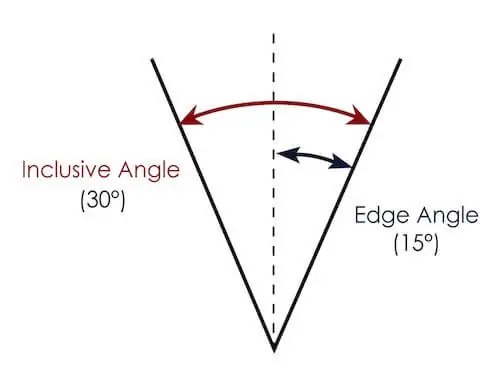
The majority of kitchen knives are flat ground, meaning the blade begins to taper from the spine to the edge. However, knife edges come in a variety of styles and differences in the way the blade is ground to make it sharp. If you look closely at the blade of your kitchen knives, you should notice a part at the very edge that angles more steeply–this is the primary bevel. Most of the time people refer to the Edge Anglesee the image below. Typically, this is about 15º to 30º for kitchen knives. 

How to Effectively Use Your New Block Sharpener: A Step-by-Step Video Guide

🔪 Step-by-Step Sharpening Guide
    • 1. Secure the blade: Anchor or hold the sharpener on a stable surface. Insert the heel of the knife and squeeze it firmly into the flexible rods. 
    • 2. Draw and lift: Pull the blade toward you from heel to tip in one smooth, continuous stroke. Never press straight down. Instead, pull back while lifting the handle to follow the knife’s natural curve. [1, 3,]
    • 3. Reduce pressure: Start with firm pressure for dull edges to let the patented rods flex. Gradually lighten your touch on subsequent strokes to polish the edge. [1, 3,]
    • 4. Hone serrated edges: Place your serrated or bread knife into the center of the rods. Use a light, rocking, side-to-side motion to systematically sharpen each tooth. [1, 2]
    • 5. Lubricate for smoother results: Apply a few drops of honing, cooking, or gun oil directly onto the steel rods. This minimizes friction and results in a smoother finish. [1,


⚠️ Pro-Tips for Longevity
  • Respect the factory bevel: The patented flex design automatically mimics your knife’s original edge angle. This eliminates guesswork and protects the blade from uneven grinding. [1]
  • Finish with a strop: For an ultra-premium, hair-splitting finish, draw the blade over a leather strop after sharpening to align microscopic burrs. [1, 2, 4]
Knife sharpener
How to sharpen kitchen knives

troubleshooting section;

❌ The knife isn’t getting sharp.
  • Check your pressure: You might be pressing too lightly. Dull blades need firm pressure to flex the rods.
  • Check your angle: Ensure you lift the handle as you pull the blade through to sharpen the entire edge.
  • Count your strokes: Severely dull knives can require 20 to 30 pulls to establish a new edge.
❌ The blade is scratching or catching.
  • Lighten your touch: If the blade catches, you are pressing too hard. Reduce pressure as the edge sharpens.
  • Smooth your pull: Draw the knife through in one steady, continuous motion. Avoid jerky movements.
  • Clean the rods: Metal buildup on the sharpening rods can cause friction. Wipe them down with a damp cloth.
❌ The tip of the knife remains dull.
  • Exaggerate the lift: Remember to lift the back end of the knife up as the curved tip passes through the rods.
  • Follow through: Do not stop pulling until the very tip of the blade has completely cleared the sharpener.


Knife sharpener
Knife sharpener

Popular cutting edges found in knives that can be sharpened with a block sharpener.

Block sharpener can pick up on cutting edges that stones and other sharpener could never sharpen.

Block Sharpener is an innovative solution for keeping your blades in top-notch condition. Our patent- design is engineered to reline and hone blades back to their original cutting edges, ensuring that your knives, scissors, gardening clippers, and other cutting tools are always razor-sharp and ready for action.

This blog post contains expert tips for using your adjustable Knife sharpener effectively to achieve professional results every time.

  1. Understanding the Flex Design

One of the key features of the Block Sharpener is its flex design, which allows the honing rods to adjust to many different types of cutting edges. Before you begin sharpening, take a moment to familiarize yourself with this unique feature. The flex design ensures that the sharpener conforms to the shape of your blade, providing consistent and precise sharpening from tip to heel.

  1. Getting a Grip

Grip and control are essential when using a sharpener, especially when working on hard, slippery surfaces. That’s why Block Sharpener features a non-slip grip overshot on both the bottom and top sides of the handle. This rubber grip provides excellent traction, allowing you to maintain a firm hold on the sharpener as you sharpen your blades. Additionally, the thumb grip on the top side of the handle gives you even greater control, particularly when sharpening outdoors or in unconventional settings.

  1. Choosing the Right Angle

Achieving the perfect sharpening angle is crucial for getting the best results with your Block Sharpener. While the flex design helps to accommodate a range of angles, it’s still important to find the optimal angle for your specific blade. As a general rule of thumb, aim for a 20-degree angle for most kitchen knives and a slightly steeper angle for hunting or tactical knives. Experiment with different angles to find the one that works best for your needs.

  1. Consistent Pressure

Maintaining consistent pressure while sharpening is key to achieving a uniform edge on your blades. With Block Sharpener’s ergonomic design, applying the right amount of pressure is easy and intuitive. Use smooth, even strokes to guide the sharpener along the length of the blade, ensuring that each pass covers the entire cutting edge. Avoid pressing too hard, as this can lead to excessive wear on the blade and uneven sharpening.
  1. Regular Maintenance

To keep your blades performing at their best, it’s important to incorporate regular sharpening into your maintenance routine. Block Sharpener makes this process quick and simple, so there’s no excuse for dull blades. Make it a habit to sharpen your knives for frequently used tools after each use or at least once a week. This will help prolong your blades’ life and ensure that they remain sharp and effective for years to come.

  1. Versatility and Adaptability

Block Sharpener isn’t just for kitchen knives—this versatile tool can handle a wide range of blades and cutting edges. Block Sharpener is up to the task, from scissors and gardening clippers to hatchets and cleavers. The flex design and non-slip grip make sharpening even the most odd-shaped blades easy to sharpen with precision and accuracy. So whether you’re a chef, gardener, outdoorsman, or DIY enthusiast, Block Sharpener has you covered.

  1. Practice Makes Perfect

Like any skill, sharpening takes practice to master. Don’t be discouraged if you don’t get perfect results right away. Take your time, experiment with different techniques, and don’t be afraid to ask for help if needed. With patience and persistence, you’ll soon become a sharpening pro with Block Sharpener.

The Bottom Line

Block Sharpener is a game-changer for anyone who values sharp, reliable blades. By following these tips and incorporating Block Sharpener into your regular maintenance routine, you can ensure that your knives and tools are always in peak condition. With its innovative design, ease of use, and professional results, Block Sharpener is the ultimate solution for keeping your blades razor-sharp and ready for anything.


Translate »