×
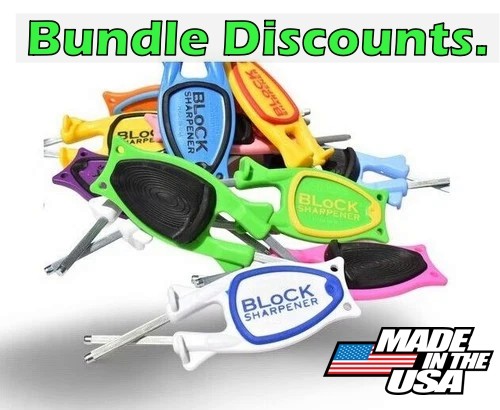
Buck knife sharpener: Buck knives are renowned for their sharpness and sleek design. Crafted from high-quality steel, they maintain their edge for impressive lengths of time. Yet, after tackling boxes, ropes, or food, even the finest blade will eventually dull. Some owners hesitate to sharpen their Buck, fearing scratches or damage to the edge. With the right tool, however, sharpening becomes a simple and safe process that preserves the knife’s performance.
Buck makes many types of knives these days. Some feature smooth edges, while others have serrated edges that resemble small saws. Certain models have special blade coatings to prevent rust. Using a large grinding wheel or a cheap pull-through sharpener can remove too much metal and leave unattractive scratches on the blade’s sides. To keep a Buck knife looking new, it’s best to use a sharpener that only contacts the very edge of the blade.
The secret to sharpening is using a material that is harder than the Buck knife itself. A Block sharpener uses heat-treated D2 steel. This steel is very tough. In fact, these honing rods are much harder than any factory-made knife. When the knife slides against the D2 steel, the sharpener realigns the edge. This process makes the knife sharp again without grinding away the whole blade. It creates a smooth finish without leaving nicks or burrs.

Best knife sharpener for sharpening Buck knives
where legends start
Sharpening a smooth blade is simple when following these steps:
Many Buck knives have serrations. These are the “teeth” on the blade. Most sharpeners cannot touch these teeth properly. However, the design of a Block sharpener allows it to reach into those small grooves. will not damage teeth.
To sharpen a serrated Buck knife:
The “finish” refers to the paint or coating on the metal. To keep it looking great, only the very tip of the edge should touch the sharpener. Since the rods on a Block sharpener are set at a precise angle, the sides of the knife remain protected. This way, no metal shavings will scratch the logo or damage the coating on the Buck knife blade.
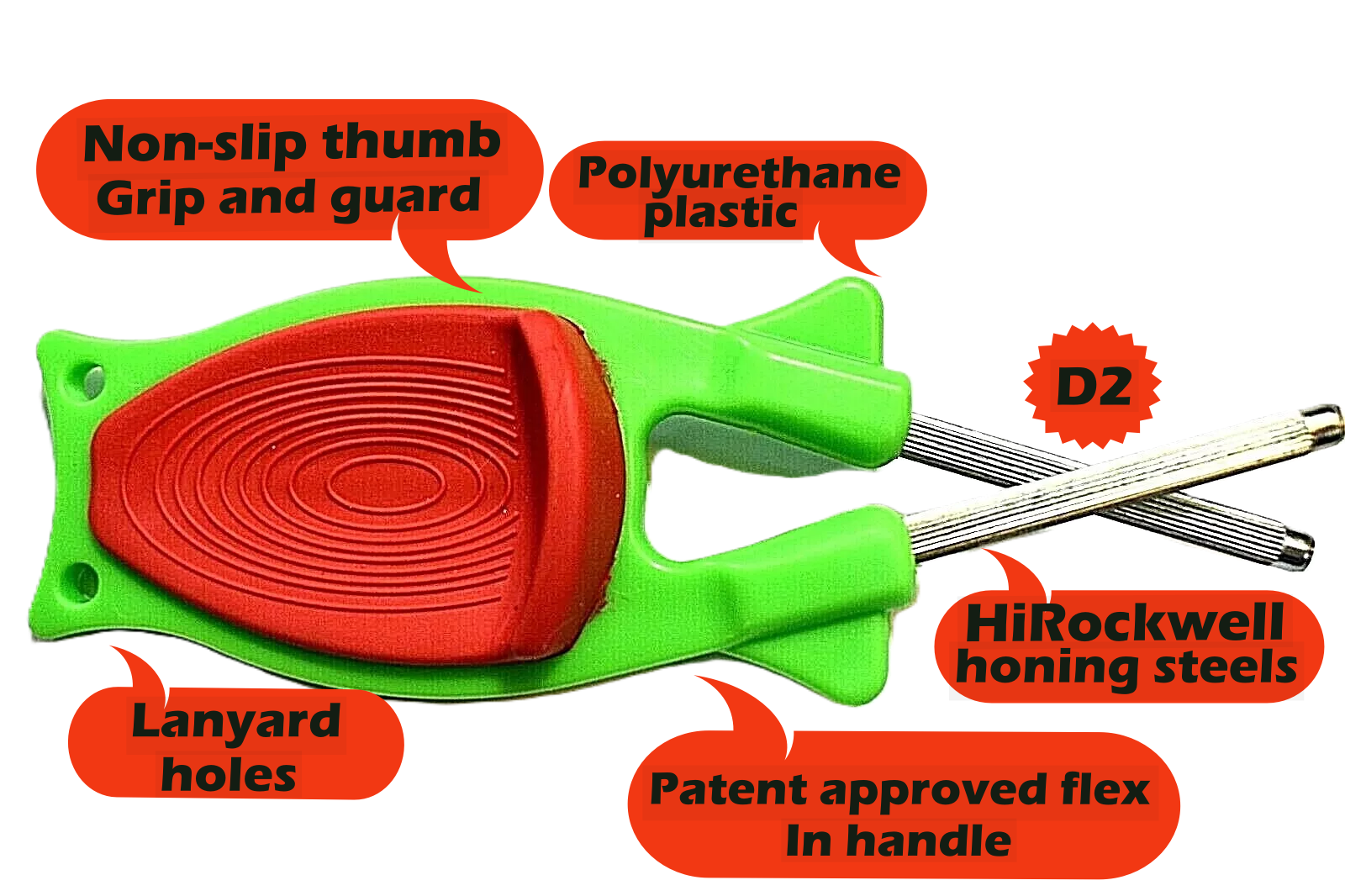
Made by Block Sharpener, these honing rods adjust effortlessly to fit any cutting edge. making it the best Buck knife sharpener.
Not all sharpening rods are created equal. Some are made from ceramic or softer steel, and if the sharpener is softer than the knife, the blade can actually damage it. Since Buck uses 154CM steel, this is something to keep in mind.
Pre 1981: 440C Stainless Steel
1981-1992: 425M Stainless Steel
After 1993: 420HC Stainless Steel
a tool with heat-treated D2 steel is the best choice to get them sharp. It is strong enough to sharpen the edge of a Buck over and over again for many years.
After sharpening, it is important to take care of the knife.
No. If used correctly, the sharpening rods only touch the narrow edge of the blade. This keeps the rest of the knife finish looking brand new.
Yes. Any Buck knife, whether it is a small folding pocketknife or a large Hunting knife, can be sharpened using this method.
A burr is a tiny, rough piece of metal that sticks out like a wire after sharpening. A Block sharpener is designed to hone the edge smoothly, which helps prevent nicks and burrs from forming.
For a knife that is just a little dull, 5 to 10 pulls are usually enough. If the knife is very dull, press harder it might take a few more.
No. See website on the sharpener handle for how to videos. It is designed to be very simple. Even someone who has never sharpened a knife before can get a professional edge in just a minute.
To keep every Buck knife in the collection in perfect condition, choose a tool that is built to last. The Block Sharpener is made in America and uses high-quality D2 steel to ensure every blade stays razor-sharp without any damage.
Showing the single result