×

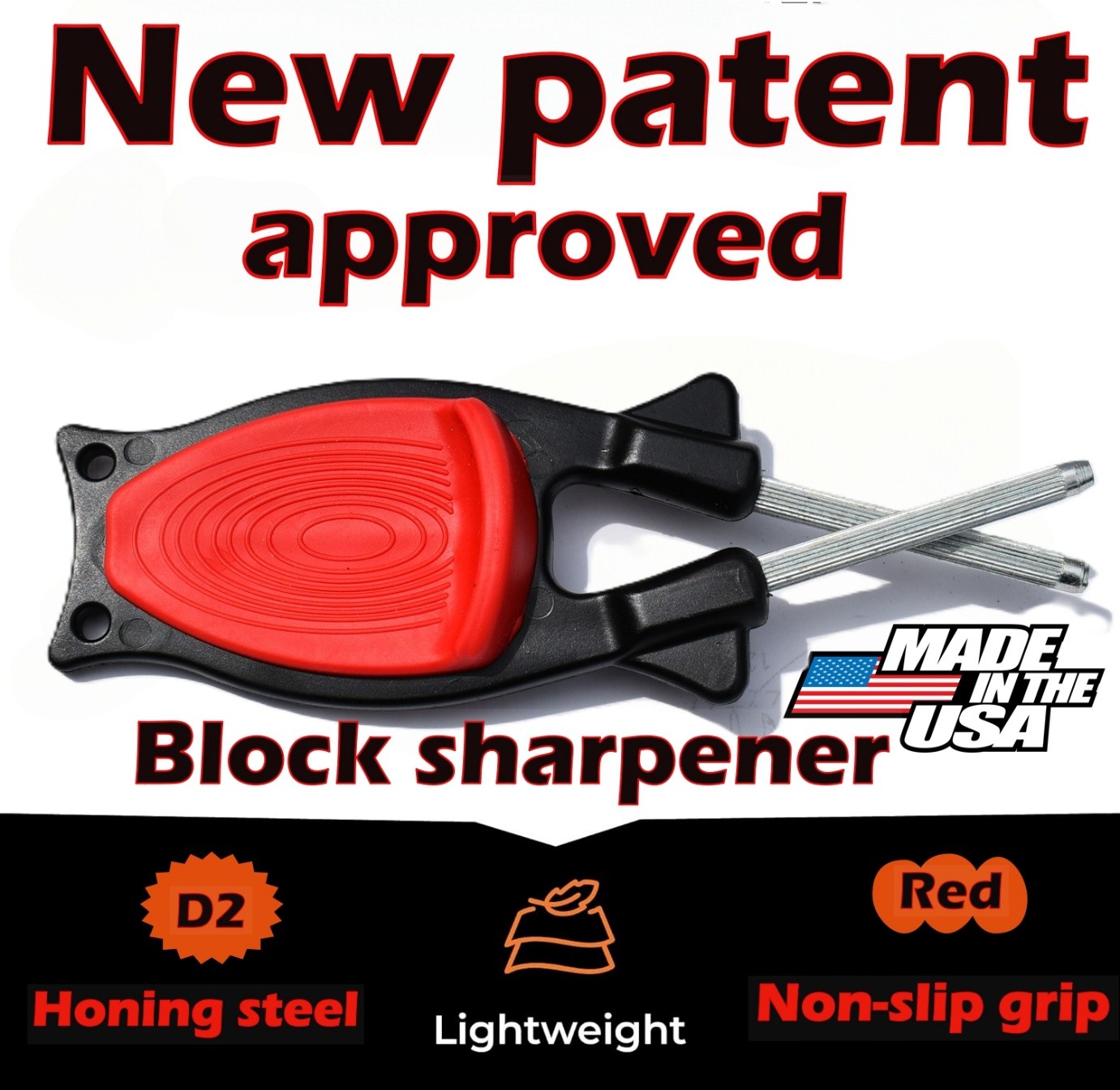
Honing steel for home or on the go sharpening needs.
Kitchen knives are used every day for cutting vegetables, fruits, meat, and many other foods. After regular use, the blade edge slowly moves out of line, which makes cutting feel rough and harder than usual. A honing steel knife sharpener helps keep the blade straight and smooth, so knives continue working properly during daily cooking tasks.
Regular knife maintenance is important because dull knives can make meal preparation slower and less comfortable. Honing is a simple way to help maintain better cutting performance without replacing kitchen knives too often.
A honing steel tool helps straighten the knife edge after regular use. It does not remove large amounts of metal from the blade like traditional sharpening tools.
When a knife edge bends slightly from daily cutting, honing helps move it back into position. This can help the knife feel smoother and easier to control during use.
Regular honing helps maintain the knife edge before the blade becomes too dull. This supports smoother cutting and helps reduce extra pressure during meal preparation.
Benefits of regular honing include:
Consistent maintenance can help knives stay useful for a longer time.
A honing steel sharpener helps improve how the knife moves through food. Straight blade edges usually create smoother and cleaner cuts compared to dull or uneven edges.
Sharp knives also help make chopping, slicing, and food preparation feel faster and easier. Better blade control can improve everyday cooking tasks in many kitchens.
Many people think honing and sharpening are the same thing, but they work differently.
Both are important for keeping kitchen knives working properly.
Regular honing helps maintain the blade edge before serious dullness develops. This reduces unnecessary stress on the knife during use.
Proper maintenance may help:
Taking care of knives regularly can help reduce the need for early replacement.
Many home cooks and professional chefs use honing tools because they are simple and effective for regular maintenance.
A honing steel knife sharpener is useful because it supports smoother cutting performance while helping maintain better blade control during daily cooking.
Dull knives often require more pressure while cutting. This can make the blade harder to control.
Regular honing helps knives move through food more smoothly, which can improve cutting comfort and reduce slipping during meal preparation.
Sharp knives help speed up food preparation. Cutting vegetables, fruits, and meats becomes easier when the blade edge stays smooth and properly maintained.
A honing steel sharpener can help reduce the time spent struggling with dull blades during cooking.
Some common mistakes include:
Slow and controlled movements usually give better results.
A good honing tool should feel comfortable to hold and easy to control.
Helpful features include:
Choosing the right tool can make regular knife care easier.
Helpful tips include:
Regular care helps support smoother cutting performance.
Well-maintained knives improve comfort during cooking and help make meal preparation feel easier every day.
Regular maintenance supports:
Simple knife care can make a big difference in the kitchen.
Regular knife care helps make cooking easier, safer, and more comfortable every day. A dependable honing steel sharpener can help maintain smoother cutting performance while supporting long-term blade maintenance for everyday kitchen use.
For people looking for reliable knife maintenance tools, Block Sharpener offers practical, handheld sharpening solutions designed to support better blade control, smoother cutting, and long-lasting kitchen performance.
No. Honing helps straighten the blade edge, while sharpening removes metal to create a new edge when the knife becomes heavily worn or dull.
Yes. Properly honed knives usually require less force while cutting, which can improve blade control and help reduce slipping during food preparation.
Many kitchen knives can be maintained with a honing steel, including chef knives, utility knives, and other straight-edge kitchen cutting tools.
Chefs use honing steels because they help maintain smoother cutting performance and support better blade control during regular food preparation tasks.