×
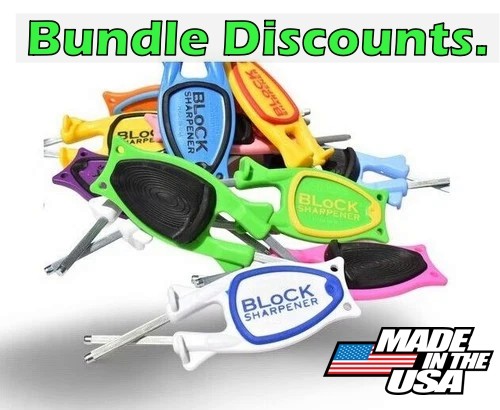
knife and scissor sharpener;Precision is the most important part of any project involving a blade. Whether a person is working on a delicate craft, preparing a meal, or repairing outdoor gear, the quality of the cut matters. A dull edge often leads to jagged lines and wasted material. Using a dedicated scissor sharpener ensures that every snip is crisp and controlled. When the metal is perfectly honed, the tool does exactly what the hand intends.
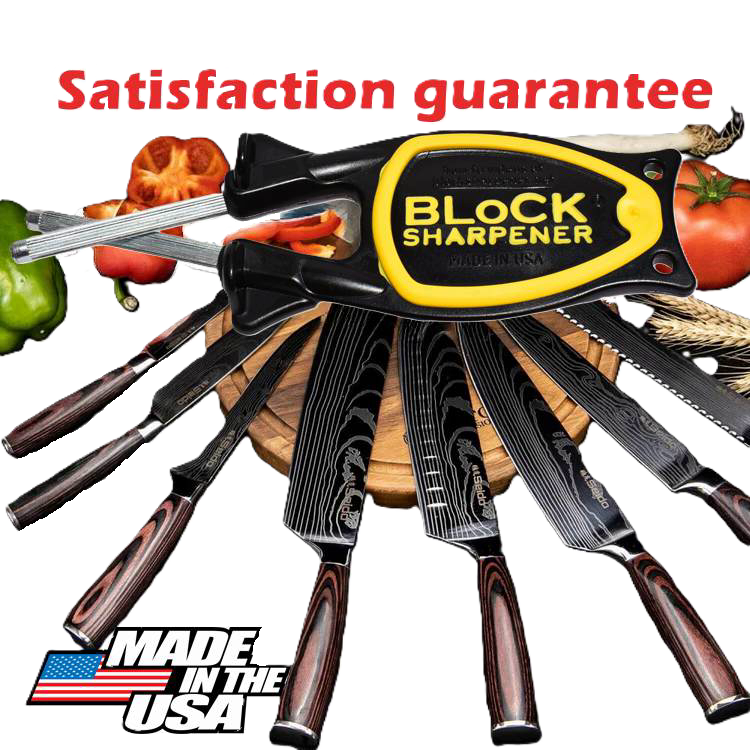
Best Professional chef steel and home cooks.
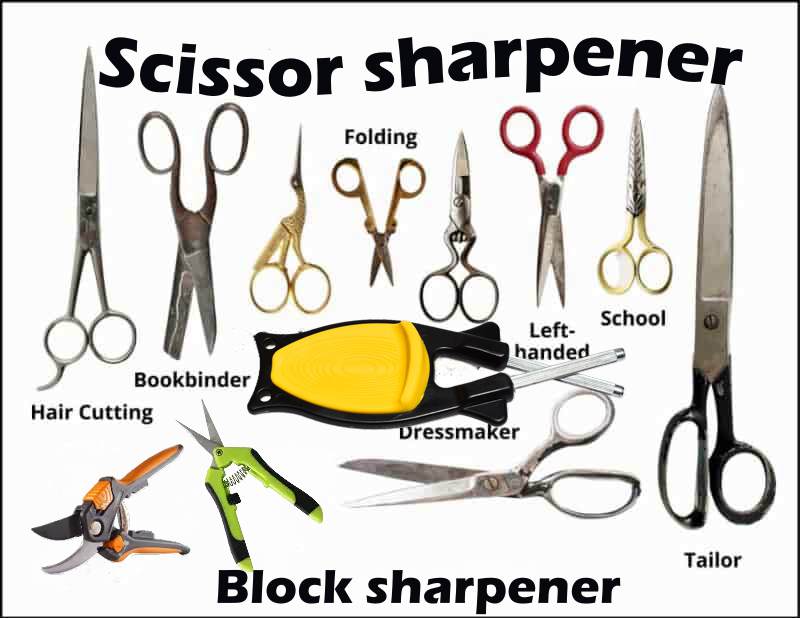
Block’s knife and scissor sharpener is an easy way to keep scissors and gardening clippers sharp.
A sharp blade works by focusing pressure on a very thin line. When a blade is dull, that line becomes rounded or folded over. This causes the tool to slide or “skate” across the surface instead of biting into it. Maintaining a sharp edge is the only way to guarantee that a cut starts exactly where it should. High-quality maintenance tools make this process fast and easy for everyone.
Detailed work requires a tool that can handle different types of angles and thicknesses. Most household items have different bevels, meaning the edge is ground at a specific slope. A high-quality knife and scissor sharpener uses a flexible design to match these various angles automatically. This versatility allows a single device to restore everything from a thin paring knife to heavy-duty craft shears.
Accuracy is not just about the skill of the person holding the tool. It is also about how the tool reacts to the material. A dull blade requires more force, and more force usually leads to less control. When a blade is razor-sharp, it requires almost no pressure to glide through fabric, paper, or plastic. This lack of resistance allows for much smoother curves and straighter lines in any task.
Over time, the microscopic edge of a blade gets pushed to one side. This is called a “rolled edge.” Honing is the process of pushing that metal back into a straight line, and using a high-quality knife and scissor sharpener makes this task effortless. Unlike grinding, which removes a lot of steel, honing preserves the life of the tool.
| Feature | Honing with Flex Rods | Traditional Grinding Wheels |
| Metal Removal | Very Low (Preserves Blade) | High (Wears Down Blade) |
| Angle Alignment | Automatic Adjustment | Manual/Fixed Angle |
| Ease of Use | Very Simple | Requires Practice |
| Versatility | Handles Serrated & Straight | Often Straight Only |
Detailed cutting often brings the hands close to the blade. A dull knife is a dangerous knife because it is unpredictable. If a blade catches on a material and then suddenly snaps through, it can slip toward the user’s fingers. Keeping tools maintained with a scissor sharpener reduces the risk of slipping. A sharp tool is a predictable tool, making the workspace much safer for everyone involved.
Not all blades are flat. Some have serrations, while others have a single-sided “chisel” grind. A quality knife and scissor sharpener is designed to reach into the small grooves of a serrated edge. This is especially helpful for bread knives or specialized tactical blades. Being able to maintain every tool in the house with one device saves a lot of time and money.
In the kitchen, accuracy means uniform slices of vegetables that cook at the same rate. In the workshop, it means joints that fit together perfectly. A dull tool will always produce inferior results compared to one that has been properly honed. Regular maintenance ensures that every project starts with the best possible advantage, leading to professional-looking results every single time.
People who work with their hands every day know that a good edge is a valuable asset. They often look for tools that are made to last and are easy to operate. Using a scissor sharpener regularly prevents the metal from ever becoming truly “dead.” A few quick passes through the honing rods every few days is much better than waiting months and having to regrind the entire edge.
The design includes safety features like a non-slip base and a thumb grip to keep fingers away from the edge, making it very easy for anyone to use safely.
No, this device focuses on honing and realigning the edge rather than grinding it away. This helps the tools last much longer than they would with other methods.
The flexible rods can accommodate larger, thicker blades just as easily as small kitchen knives, making it a great choice for outdoor equipment.
For the best accuracy, a quick hone should be done whenever the blade starts to feel like it is dragging. Regular maintenance is better than waiting until the tool is very dull.
A sharp blade is the key to perfect results and total safety. If cutting tasks have become a struggle, it is time to restore the precision of those tools. Whether for the kitchen, the craft room, or the great outdoors, a reliable maintenance tool is essential. Discover why so many people trust the quality and durability of a Block Knife Sharpener to keep their edges in top condition for a lifetime.

With a Block sharpener, you can easily sharpen a wide variety of cutting edges. Sharpening Scissors and Gardening Shears & Pruning Tools with the original Block knife sharpener.